

 root
The cultural significance of casinos in modern society
Historical Background of Casinos
Casinos have a rich history that intertwines with the development of leisure and entertainment across various cultures. Emerging from ancient gambling practices, these establishments transformed into sophisticated venues by the 19th century. In Europe, particularly in places like Venice and Monaco, casinos became synonymous with high society and luxury, serving as social hubs where individuals gathered to enjoy games and socialize. The evolution of casinos reflects broader societal changes, highlighting shifts in attitudes towards gambling and leisure over the centuries.
As gambling spread to the United States in the early 20th century, the casino concept adapted to local cultures and legal frameworks. The iconic Las Vegas Strip emerged as a beacon of entertainment and risk, attracting millions of visitors who sought excitement and escape from their daily lives. This cultural adaptation illustrates how casinos have become integral to American identity, representing both the allure of chance and the pursuit of the American Dream, where fortune can change in an instant.
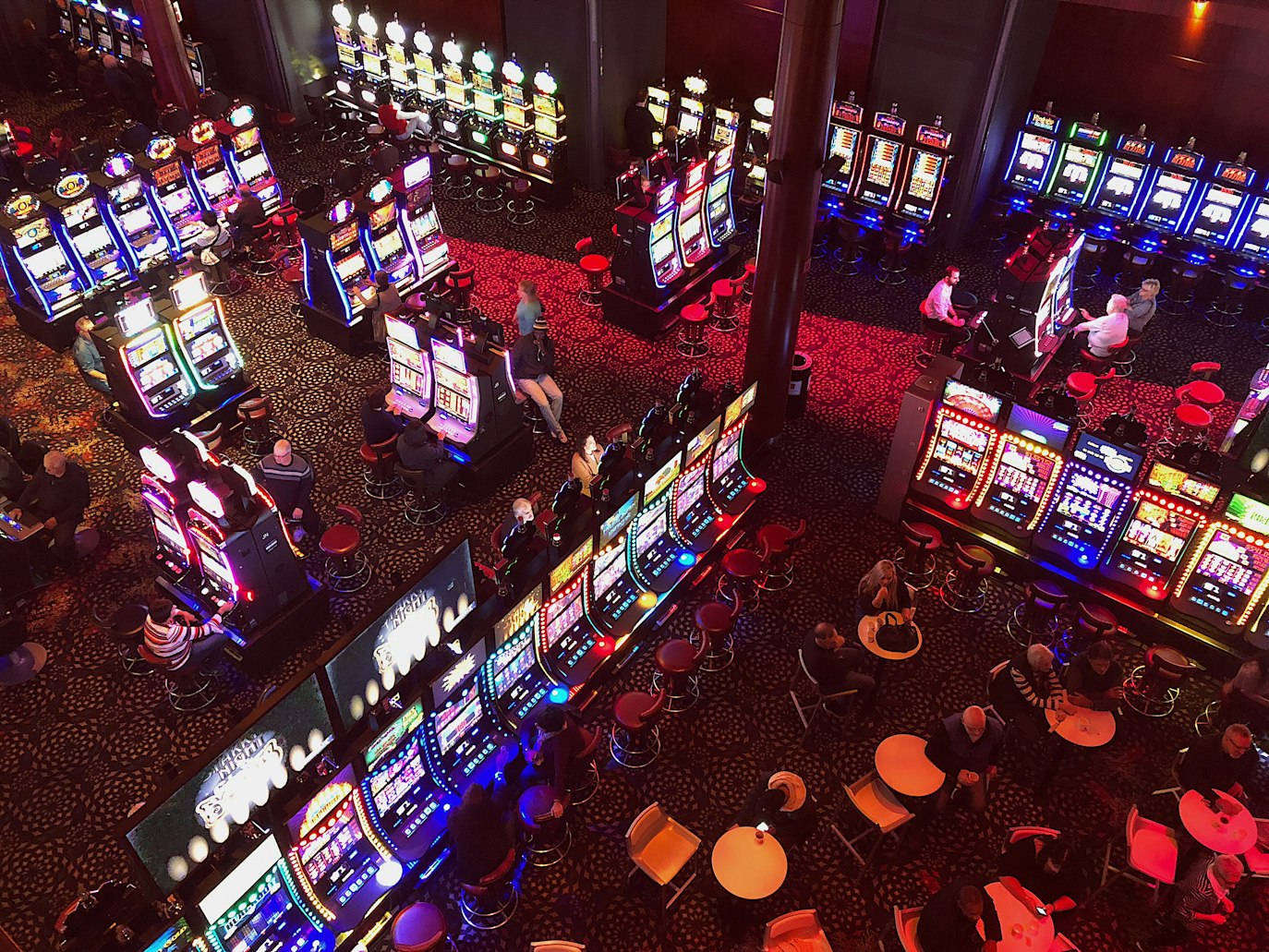
Today, casinos continue to evolve, especially with the rise of online gaming and mobile applications. This digital transformation is reshaping how people engage with games of chance, expanding access and diversifying the audience. The historical journey of casinos exemplifies their significance, revealing a legacy that influences modern culture and social interactions across the globe.
Casinos as Social and Cultural Hubs
Casinos serve as vital social spaces where diverse groups of people come together to share experiences. Whether in lavish resorts or online platforms, these venues facilitate social interactions, making them focal points for entertainment and camaraderie. The atmosphere within a casino promotes a sense of community, as players bond over shared experiences, celebrate victories, or console one another in defeat. This aspect of casinos highlights their role in forging connections that transcend socio-economic barriers.
Furthermore, casinos often host events that enrich local culture and tourism. From live performances and comedy shows to culinary festivals, these establishments contribute significantly to the cultural landscape. For instance, many casinos partner with local artists, musicians, and chefs, providing them a platform to showcase their talents. This symbiotic relationship not only enhances the casino experience but also fosters a sense of pride within the community.
The cultural significance of casinos extends beyond mere entertainment. They often reflect societal norms and values, acting as mirrors to the dynamics of consumerism, risk-taking, and leisure. As people engage with these environments, they participate in a broader cultural narrative that shapes and is shaped by contemporary lifestyles.
Psychological and Emotional Aspects of Gambling
The psychological impact of gambling cannot be understated, as it engages individuals on multiple emotional levels. For many, the thrill of placing a bet or hitting the jackpot serves as a form of escapism, allowing them to momentarily forget their daily stresses and responsibilities. This aspect of gaming can be particularly appealing in today’s fast-paced world, where stress and mental health issues are prevalent. As such, casinos can provide a temporary refuge, drawing people into an environment where excitement and hope flourish.
However, the emotional rollercoaster of gambling also brings with it a darker side. While many individuals can enjoy gaming responsibly, others may develop problematic behaviors, leading to addiction and financial hardship. Understanding the psychological dimensions of gambling is crucial for developing effective interventions and support systems. Awareness campaigns and responsible gaming initiatives within casinos aim to educate players and promote healthier engagement with these activities.
In essence, the psychological and emotional facets of casinos highlight their dual nature as spaces for joy and potential peril. Recognizing this balance is vital for fostering a culture of responsible gaming and ensuring that the thrill of chance does not overshadow the importance of mental well-being.
The Economic Impact of Casinos
Casinos significantly contribute to local and national economies, generating employment opportunities and stimulating tourism. From hotel staff to event coordinators, the job creation aspect is immense, often providing livelihoods for thousands of individuals. In many regions, the establishment of a casino can lead to increased economic development, as surrounding businesses—such as restaurants, shops, and entertainment venues—also benefit from the influx of visitors. The ripple effect of a thriving casino economy is undeniable.
Additionally, casinos contribute to government revenues through taxation, funding vital public services such as education, infrastructure, and healthcare. This financial input is crucial, particularly in economically distressed areas, where casinos can act as catalysts for growth and revitalization. Many states actively promote casino establishments as a means of bolstering their economies and creating a competitive tourism market.
Nevertheless, the economic benefits of casinos should be weighed against potential social costs. Communities may face challenges related to crime, addiction, and family disruptions linked to gambling. As such, a balanced approach is essential, one that considers both the financial advantages and the social responsibilities associated with casino operations in modern society.
The Role of Online Casinos in Modern Culture
Online casinos have revolutionized the gambling landscape, making gaming more accessible than ever. With platforms like TuffPuff Casino offering an extensive range of games, from slots to live dealer options, players can engage in their favorite activities from the comfort of their homes. This shift not only reflects technological advancements but also adapts to changing consumer preferences, particularly among younger generations who favor digital experiences.
The rise of online gaming has also altered the social dynamics of gambling. Virtual platforms allow players to connect with others globally, participating in tournaments and community events that transcend geographical boundaries. This global interaction fosters a sense of belonging among players, creating virtual social networks that parallel traditional casino experiences. However, it also raises concerns regarding responsible gaming practices, as the anonymity of online platforms can sometimes lead to reckless behavior.
As the popularity of online casinos grows, so does the need for regulations and consumer protection. Ensuring that players engage safely and responsibly is paramount, and platforms must implement measures to promote healthy gaming habits. The evolution of online casinos underscores their cultural significance in contemporary society, bridging the gap between traditional and modern gambling experiences.
Discovering TuffPuff Casino
Casino exemplifies the modern evolution of gaming, offering an innovative and user-friendly platform that caters to a diverse audience. With over 3,000 games from leading software providers, it combines the excitement of traditional gambling with the convenience of online access. New members can benefit from tailored welcome bonuses, ensuring that players of all budgets feel welcomed and valued.
Beyond its vast game selection, Casino emphasizes community engagement through exciting tournaments and a comprehensive loyalty program. This commitment to enhancing the player experience reflects a broader trend within the casino industry to foster lasting relationships with patrons, ensuring they return not just for the games but for the sense of belonging and excitement.
With secure payment methods and 24/7 customer support, Casino prioritizes player security and satisfaction, reinforcing the importance of trust in the online gaming space. As part of the cultural fabric of modern gambling, Casino represents the exciting intersection of technology, community, and entertainment in today’s society.
